B2B CRM System for Hospitality
Give hospitality sales teams a structured view of corporate and partner relationships
- B2BSegment
- SalesPipeline
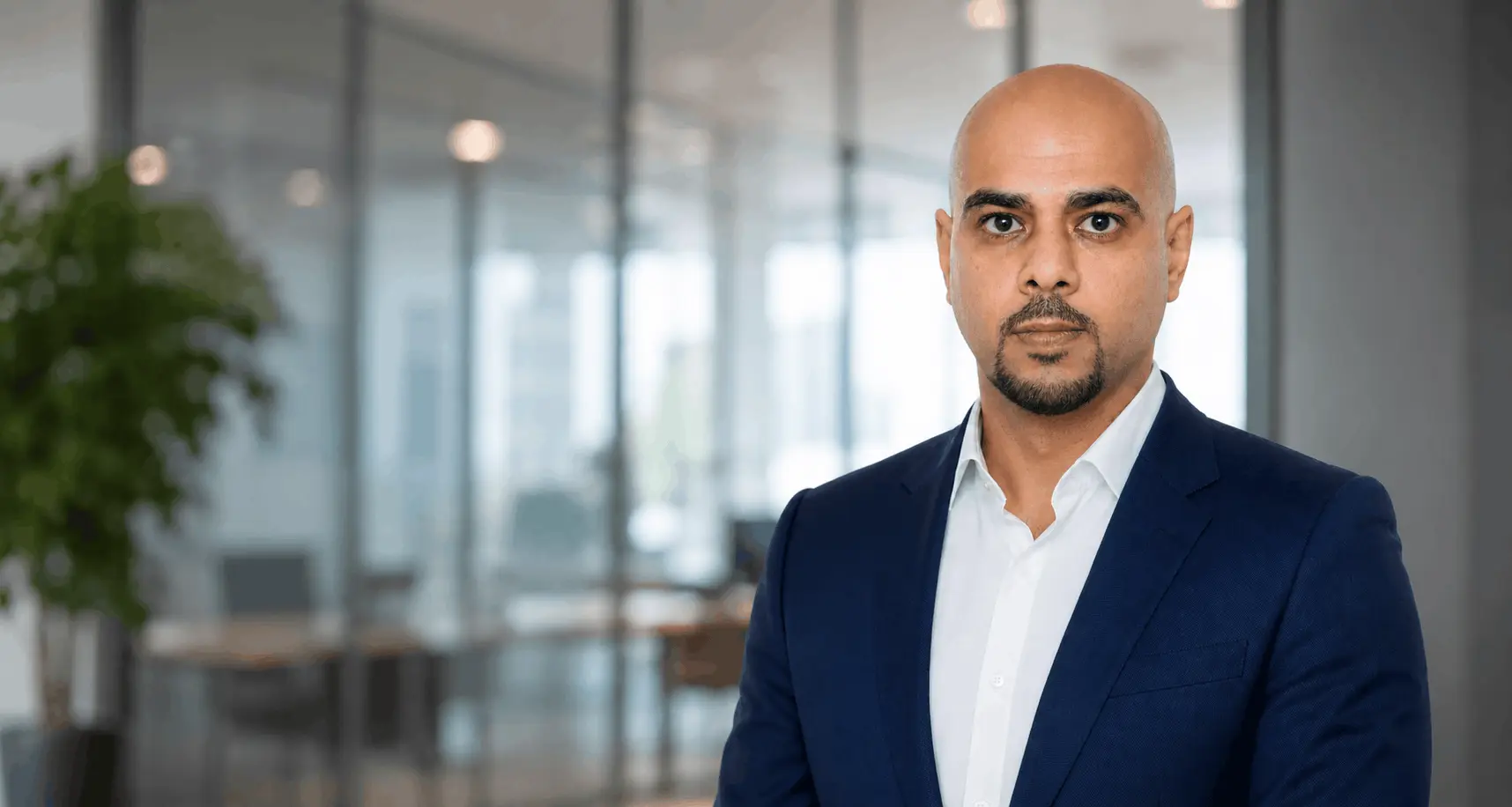
Twenty-five years building the systems that move governments and enterprises across the GCC. I advise on AI adoption, governance, and the institutional machinery that makes both stick.
Most digital transformation programmes fail not because the technology is wrong, but because the institutional design behind them was never built. The Gulf's next decade will not be won by buying more software. It will be won by the organisations that learn how to govern intelligence — human, machine, and the orchestration of both.
That means strategy cannot sit apart from operating model, data, risk, procurement, and people development. A roadmap only matters when it changes funding decisions, delivery cadence, adoption behaviour, and the way leaders ask for evidence.
My work sits in that intersection. I help organisations decide what capability they are really building, what governance must hold it, what data makes it trustworthy, and what human routines keep it alive after launch.
The GCC has a particular opportunity because the distance between national ambition and institutional execution can be short when the machinery is designed well. The same closeness becomes a risk when programmes depend on personality, urgency, or vendor momentum instead of durable governance.
AI makes this more urgent. It compresses the time between experiment and exposure: a pilot can become a workflow before risk, data ownership, or human review have been settled. Responsible adoption is not a brake on innovation; it is the operating system that lets innovation scale.
The practical test is simple: after the project team leaves, can the organisation still decide, measure, learn, and improve? If the answer is no, the transformation was never finished. If the answer is yes, the capability starts compounding.
That is why I care about boring details: committee terms of reference, escalation paths, data definitions, adoption metrics, training material, and the small routines that make a new capability ordinary. The ordinary parts are usually where the transformation either becomes real or quietly evaporates.
A useful advisor should leave the organisation with sharper judgment, not dependency. The work should make leaders better at choosing, teams better at operating, and the institution better at learning from the next wave of technology.
Give hospitality sales teams a structured view of corporate and partner relationships

Improve guest experience through a unified relationship view across the hotel journey

Help employees understand the organisation faster through a trusted internal AI companion

Use AI to improve guest response speed while keeping human escalation available

Enable AI adoption with clear governance, safe use, and practical business ownership

Give leadership one reliable view of performance across business units
Bring whatever you're weighing up — a Digital Transformation Roadmap, AI rollout, a governance gap, a stalled programme, a question you need to answer for the board — and we'll spend a focused session on it together. It's a real conversation, not a sales pitch, and you'll walk away with a sharper next step whether or not we ever work together. No cost, no obligation.